



The Three Indicators of Concrete Include
Concrete as a commonly used building material currently circulating in the construction industry, you often hear that the three main indicators of concrete should meet the design requirements. Here is a look with Foshan Nicoo Concrete.
In general, the three main indicators of concrete include concrete compatibility, concrete strength, concrete deformation and durability.
1. Concrete workability
Concrete workability refers to the concrete in certain construction conditions, to facilitate the operation of various concrete construction processes to ensure that the performance of uniform and dense concrete. Concrete workability is a comprehensive technical index, including fluidity, cohesion and water retention of three aspects.
2. Concrete strength
Concrete strength is the main mechanical properties of concrete after hardening, reflecting the quantitative ability of concrete to resist loading. Concrete strength includes compressive, tensile, shear, flexural, flexural and grip strength. Among them, the compressive strength* is large and the tensile strength* is small.
3. Concrete deformation and durability
Concrete deformation includes non-load deformation and load deformation. The deformation of concrete under non-load action are chemical shrinkage, wet and dry deformation and temperature deformation, etc. Excessive amount of cement is prone to chemical shrinkage in the concrete's interior and causes microfine cracks.
Concrete durability refers to the ability of concrete to resist the action of various destructive factors under actual use conditions and maintain the strength and appearance integrity for a long time. It includes the frost resistance, seepage resistance, corrosion resistance and carbonation resistance of concrete.
Understanding what are the three main indicators of concrete, combined with daily work analysis of the factors affecting the quality of concrete and solutions to help ensure the quality of concrete projects up to standard. Foshan Nicoo Concrete Co., Ltd. 8 years of concrete production and sales experience, green building materials certification, and won the title of environmental protection benchmarking enterprises, more dedicated team research to solve concrete-related problems, trustworthy, 24-hour hotline welcome to call for advice!
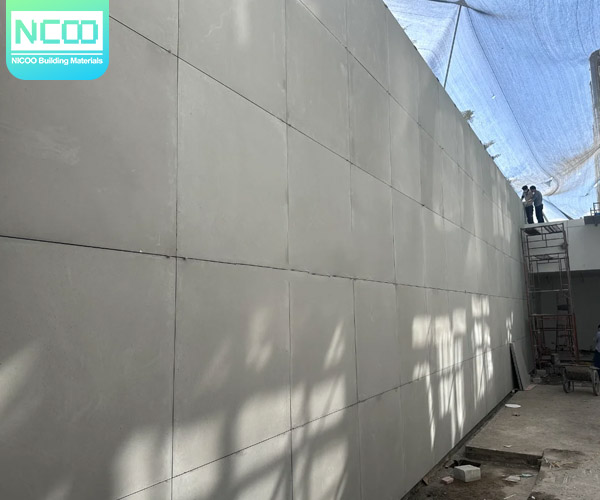
Dry Hanging Installation Of Fair-faced Concrete Slab On Exterior Wall
Precast concrete slab (precast cement slab) external wall dry hanging technology with its unique decorative effect and exquisite technology, gives new vitality to modern buildings. The technology uses dedicated connectors and pendants to mount concrete slabs directly onto exterior structures without the need for mortar or adhesives, creating a unique facade effect.
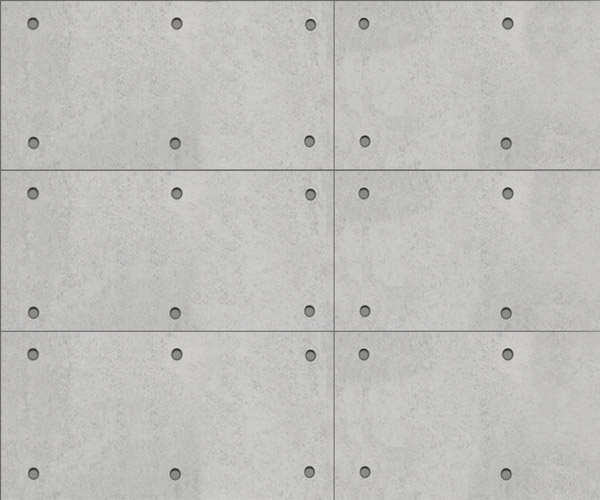
The Three Indicators of Concrete Include
As a commonly used building material circulating in the construction industry today, it is common to hear about the three main indicators of concrete to meet design requirements. So, what are the three main indicators of concrete?
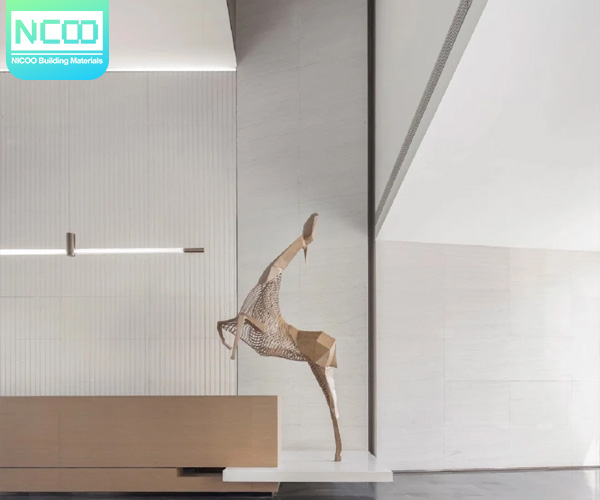
Can Inorganic Cave Stone Be Used In External Walls Instead of Stone?
Can inorganic holes replace the role of stone in the exterior walls? I'm sure we can. The walls are installed the same way. Both interior and exterior walls can be used, the specification is 1200*2400*25 mm.
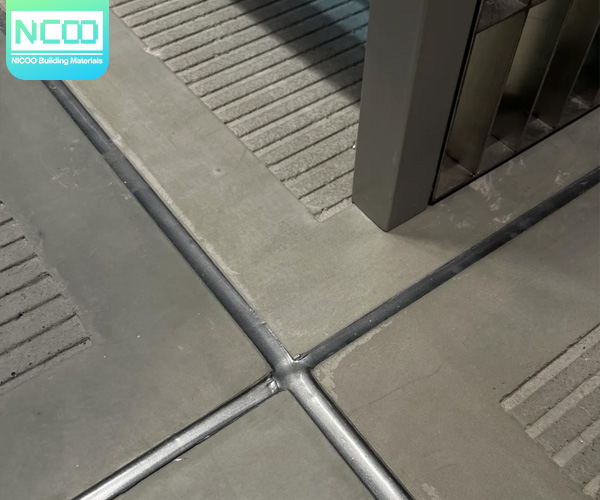
Large Size 1500*1500*35 Brushed Cement Board for Flooring Decoration
Large size coarse grain clear concrete floor, surface texture rough and natural, retro cold, full of personality. Brushed clear cement board, with its unique surface texture and excellent durability, is unique in the field of architectural decoration.