



Why do inorganic cave stones become the favorite of home decoration designers?
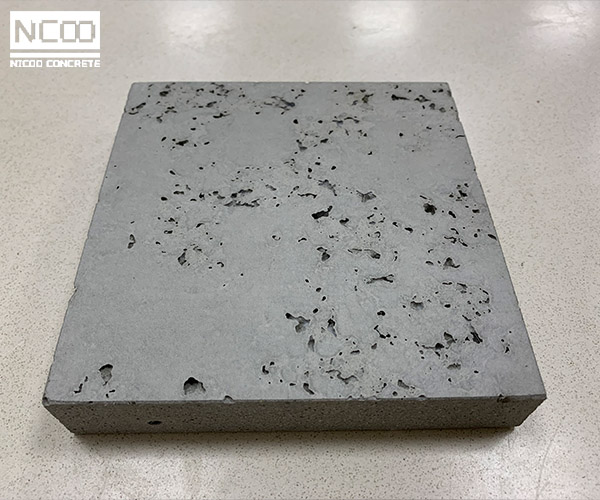
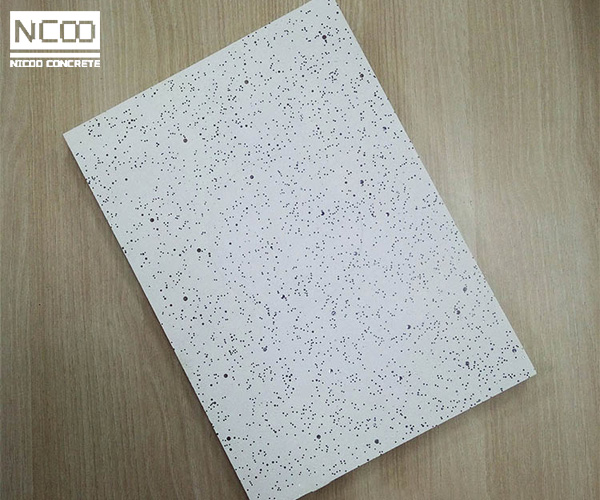
Inorganic cave stone is a kind of cement casting plate, belongs to artificial stone, cement as the main bonding material, select quartz sand aggregate, fully stirred, made of raw material process, breaking through the traditional organic resin material, does not contain organic materials, surface texture can be carefully customized according to the design effect. Other factors contributing to its popularity include:
1. Inorganic stone, as an innovative stone, boldly tries to maintain the original texture and geotechnical texture under the premise of using the characteristics that natural stone does not have in terms of performance, in line with the modern architectural era.
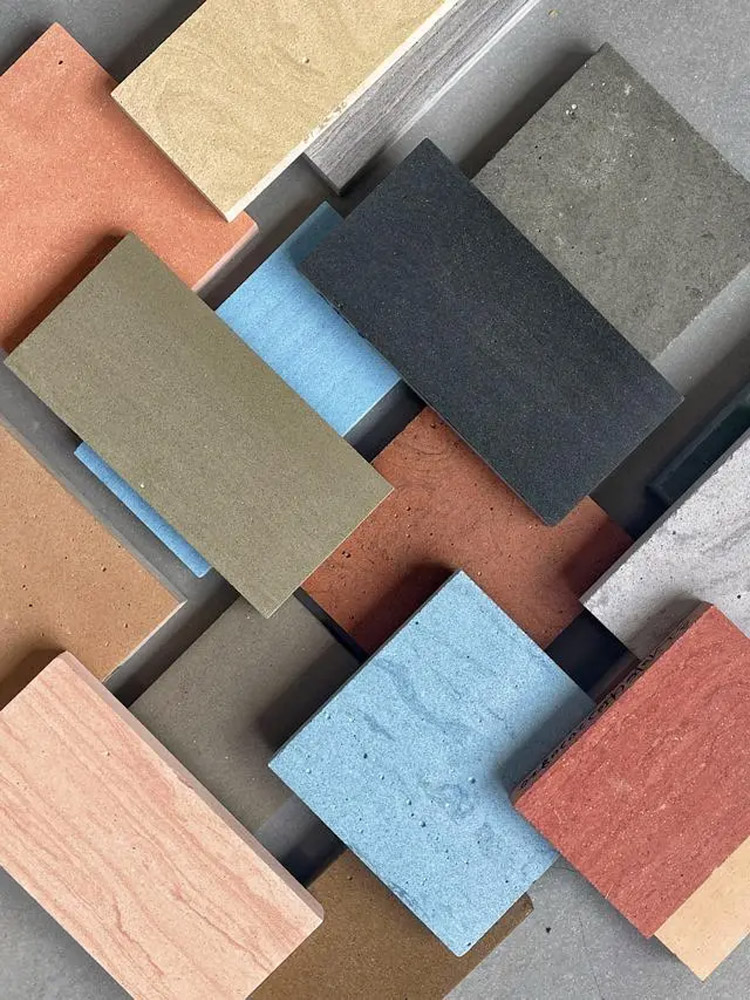
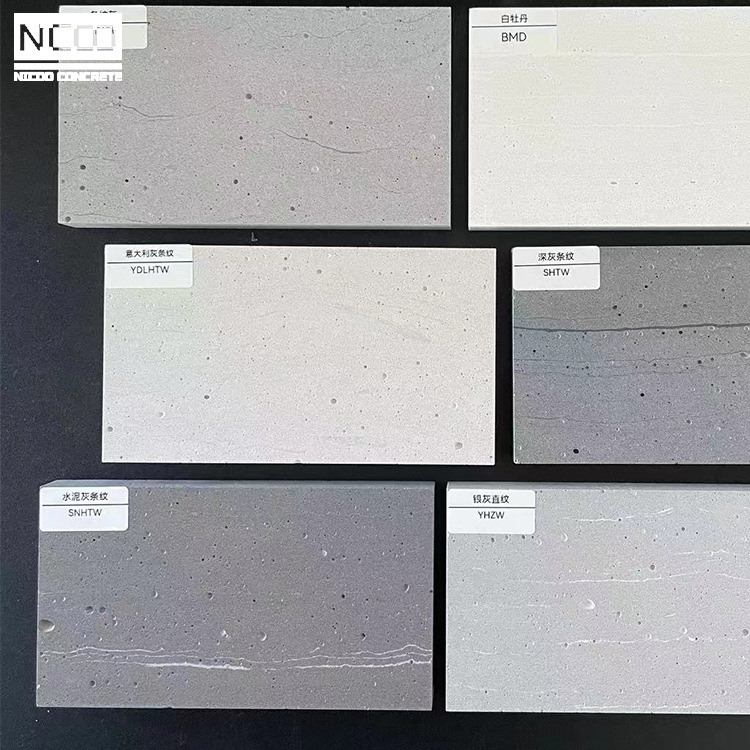
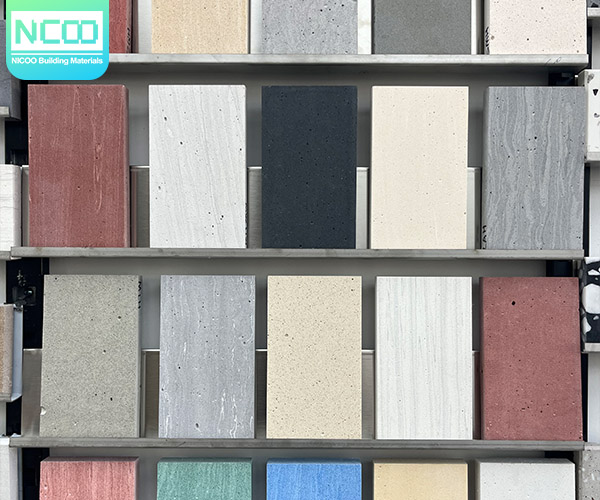
2. Rich colors, natural textures, surface treatment can make different texture, make natural stone surface texture effect, to meet the personalized customization needs of design projects.
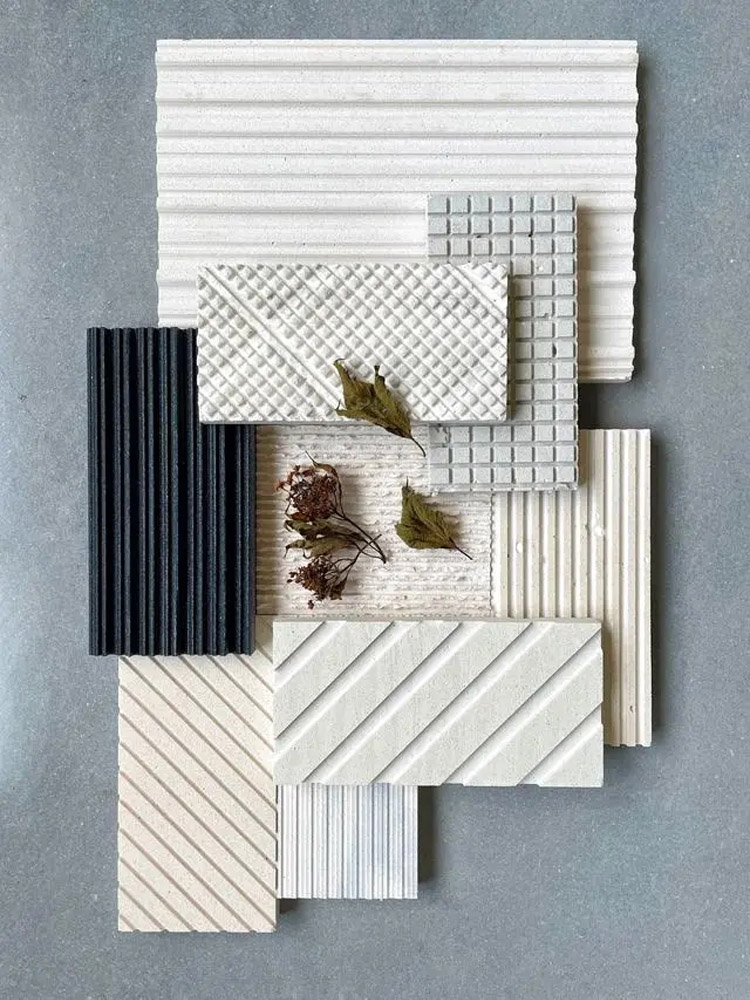
3. In projects with tight budget, natural stone is expensive and high maintenance cost, clay stone is a good alternative material, which can meet the design effect and save the budget, why not? The characteristics of clay stone itself are also one of the reasons for choosing it as a decorative material in many projects.
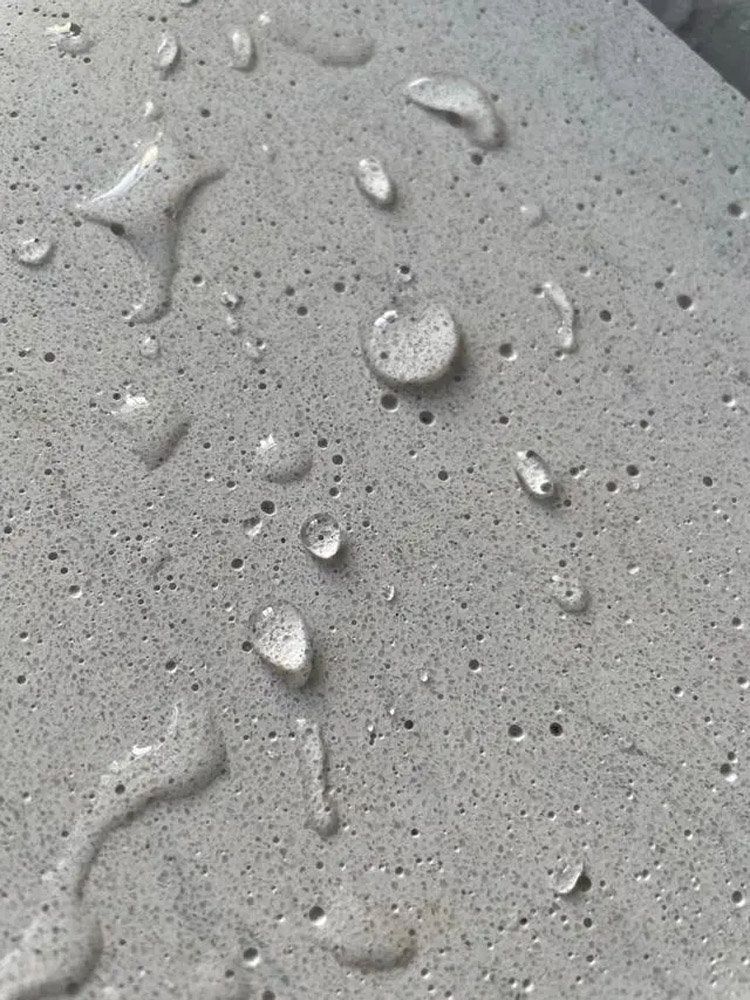
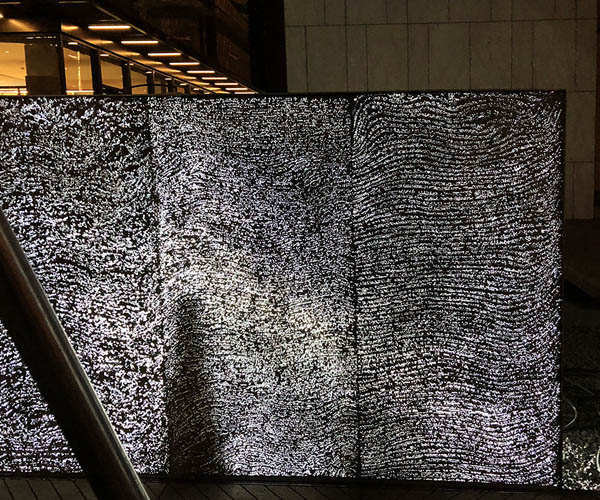
NICOO 2020 New Product Translucent Concrete
Translucent concrete is one of NICOO's flagship products in 2020. Combined with various customized products, it will bring more new ideas and creations to customers.
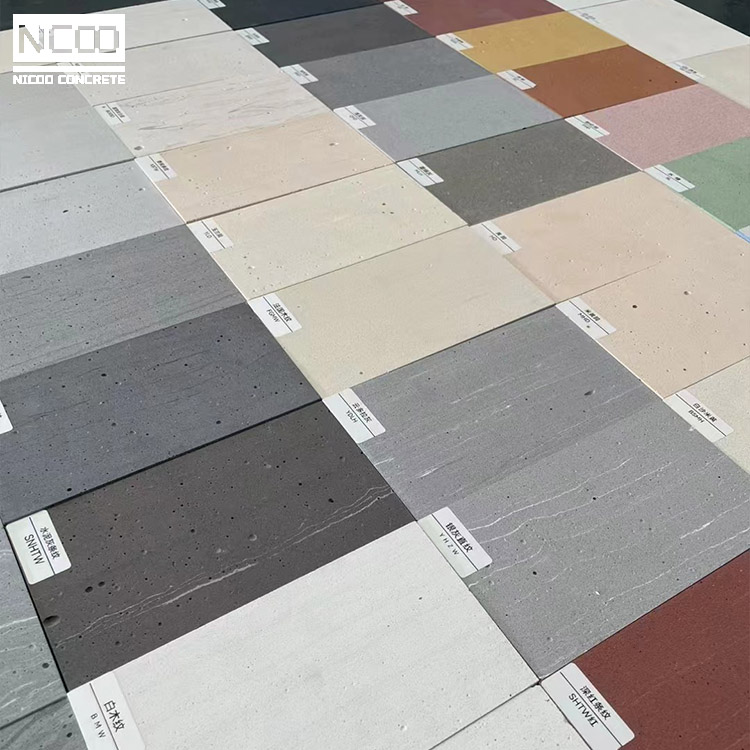
NICOO Decoration - Focus on inorganic artificial stone
The manufacturer of NICOO DECORATION specializes in prefabrication of various new environmentally friendly building materials and supports customization of various projects. Welcome to send your project to discuss together.
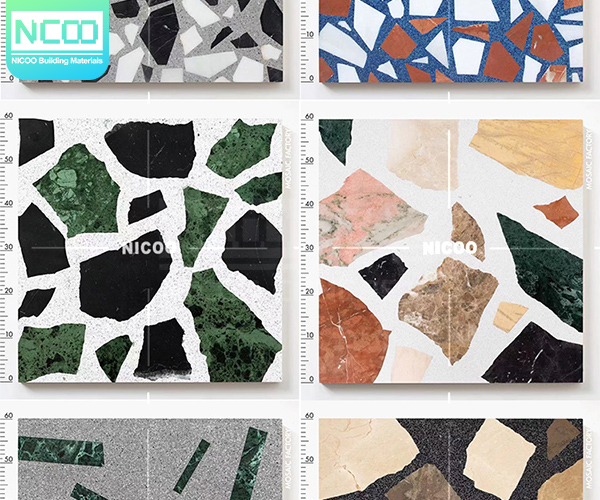
2024 New Arrival Large Particle Terrazzo Tile Waterproof Precast Terrazzo Floor Panel Stone Tiles
Large particle terrazzo | can match the drawing of each board
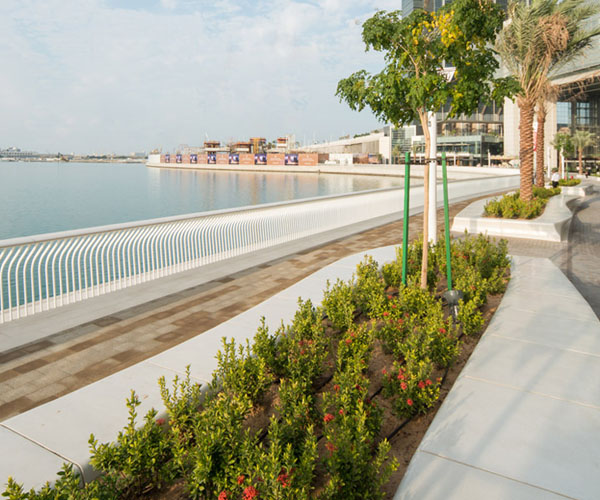
Application of Concrete in Modern Garden Landscape
In the garden landscape, fair-faced concrete can have more play space, different shapes and different decorative effects. As long as you can imagine, concrete can realize it for you.