



Raw stone - Inorganic artificial travertine stone
Artificial stone since its birth, after decades of development, has already been one of the mature decorative materials on the market, and now more than 90% of the industry is resin artificial stone products, the future trend of artificial stone is inorganic artificial stone.
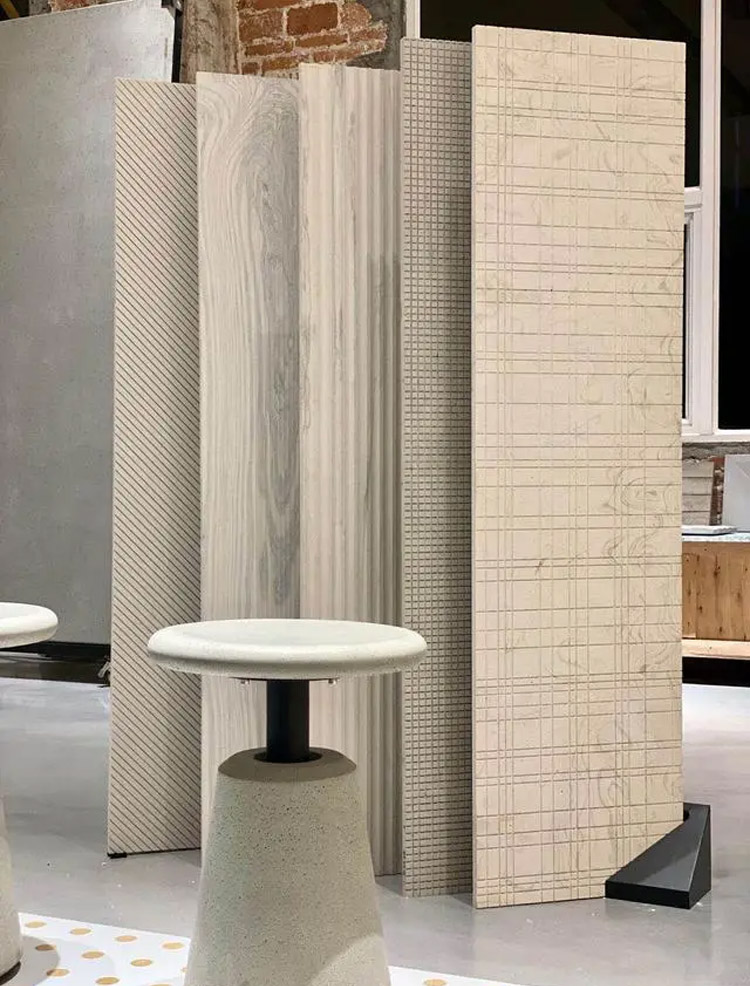
Inorganic artificial traverite is derived from inorganic materials and secondary reuse of construction waste. The products produced are green, safe and environmentally friendly, which can meet the requirements of material supply and continuous supply of large projects.
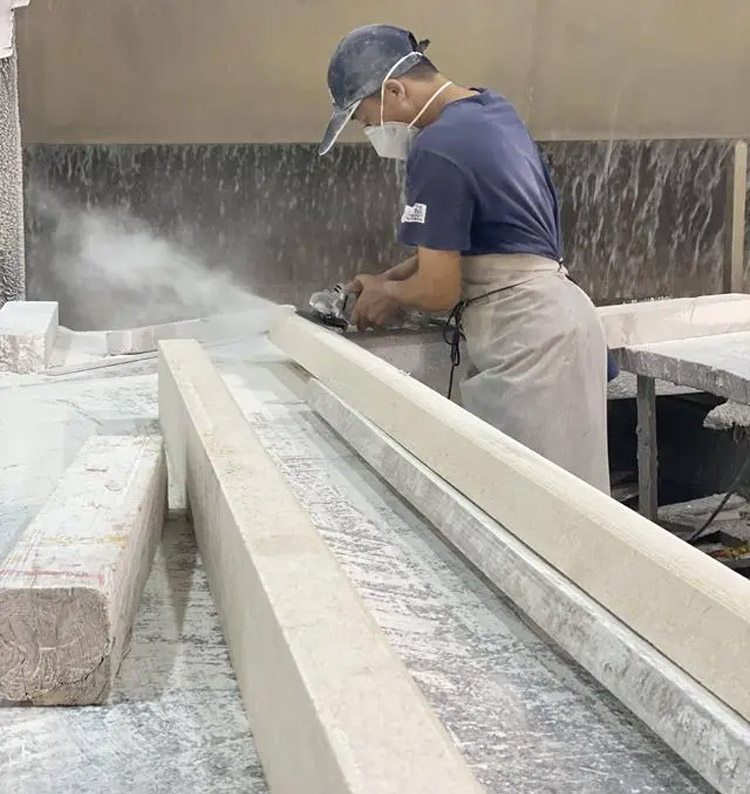
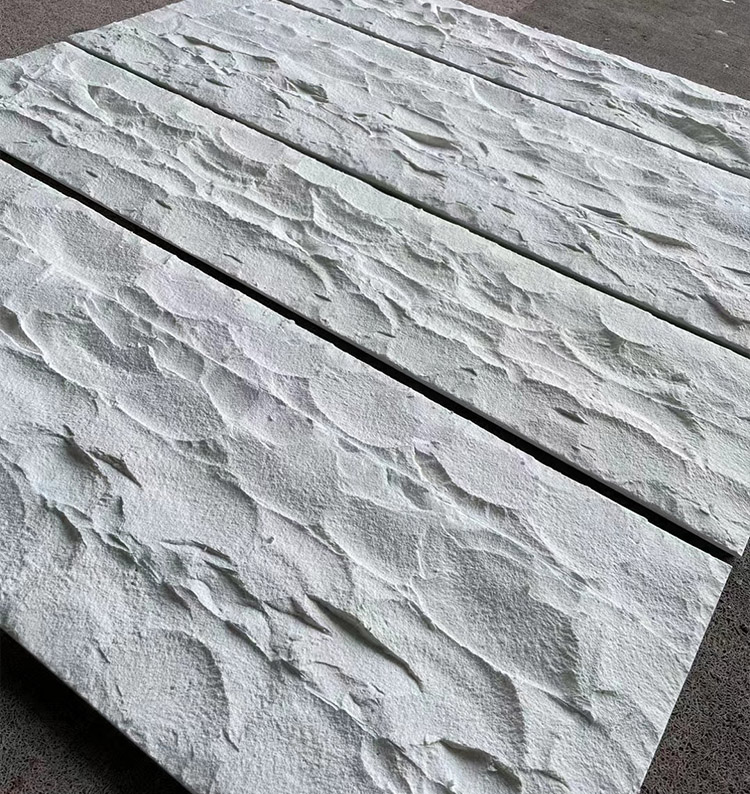

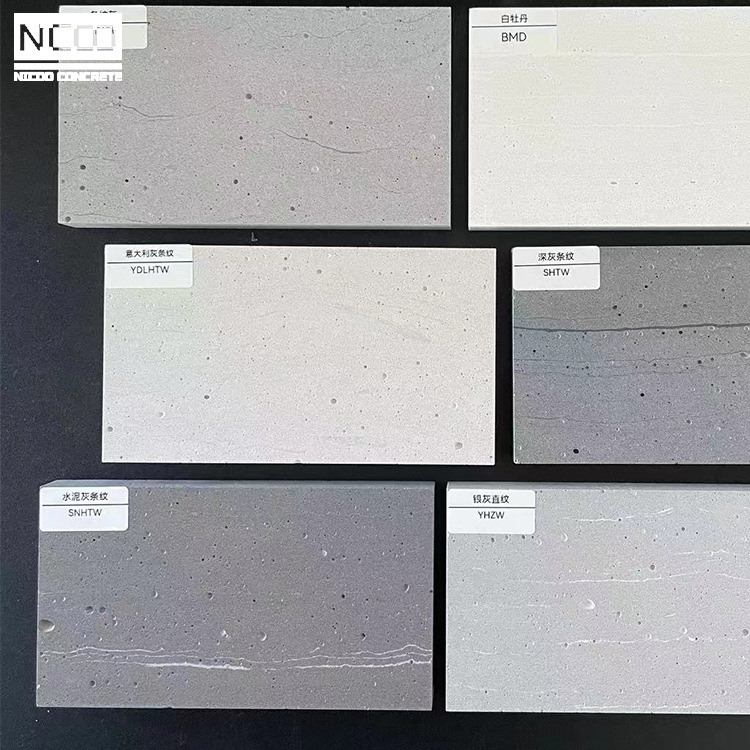
The size of the large board is fixed at 1200*2400mm, the grain effect is controllable, the overall effect can be predicted in the early stage of design, and the surface is delicate matte texture.
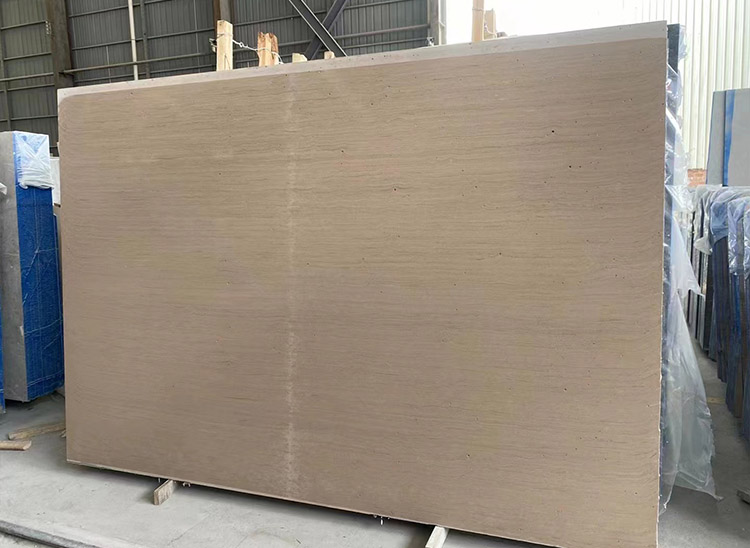
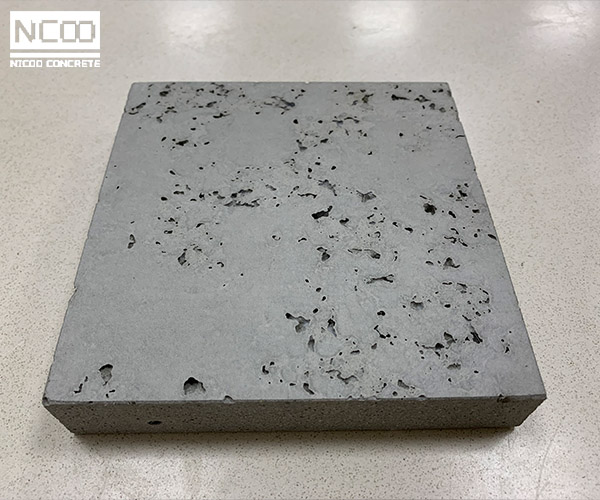
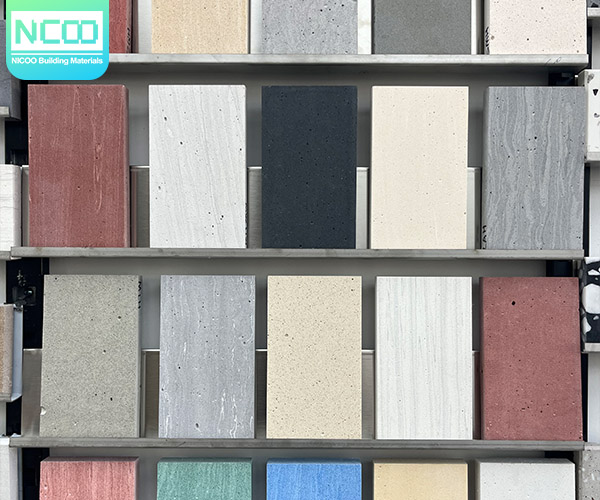
The plate has microholes, the surface effect is unified, and it has a slightly different natural feeling. It can also customize the color and texture according to the requirements, breaking through the natural uncontrollable factors of traditional natural stone.
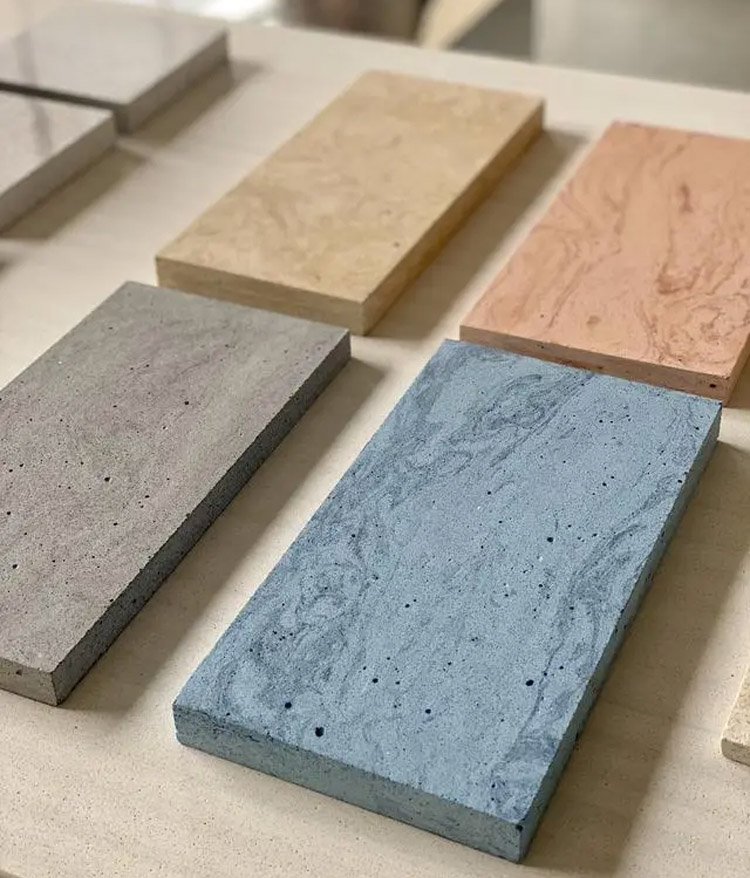
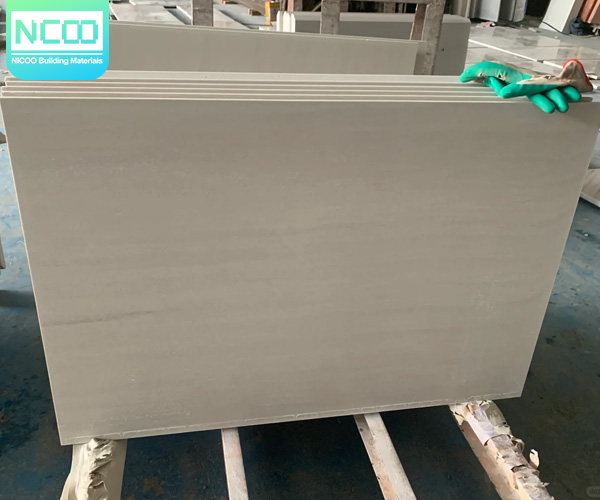
Italian Yellow Artificial Cement Stone Finished Product Decoration Project For Commercial Building
As an innovative stone, artificial cement stone boldly tries to have the characteristics that natural stone does not have in terms of performance and conforms to The Times of modern architecture under the premise of maintaining the original house sense of frost soil texture.
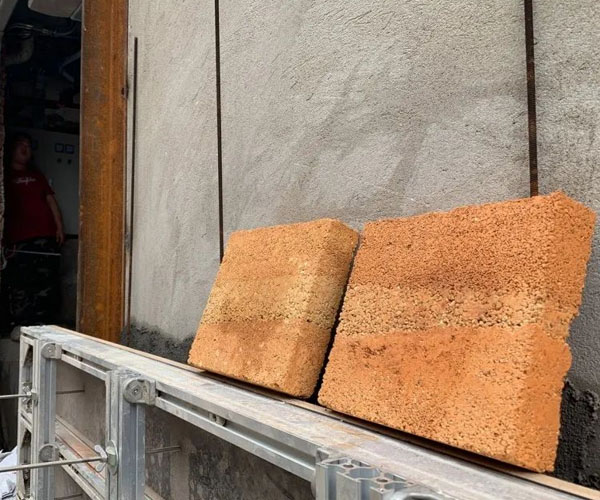
How to Install Rammed Earth Wall Panels
The construction process of the rammed earth board is simple and the installation is fast. The installation methods can choose straight row nailing and structural adhesive installation. The exterior wall of the building adopts the form of dry hanging, and the landscape wall adopts the form of dry hanging or mounting.
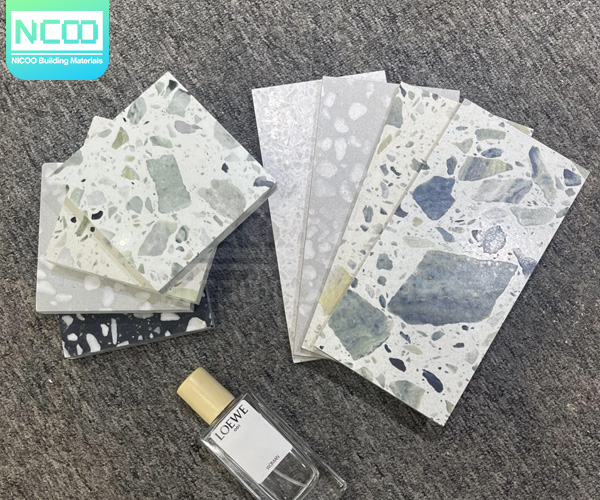
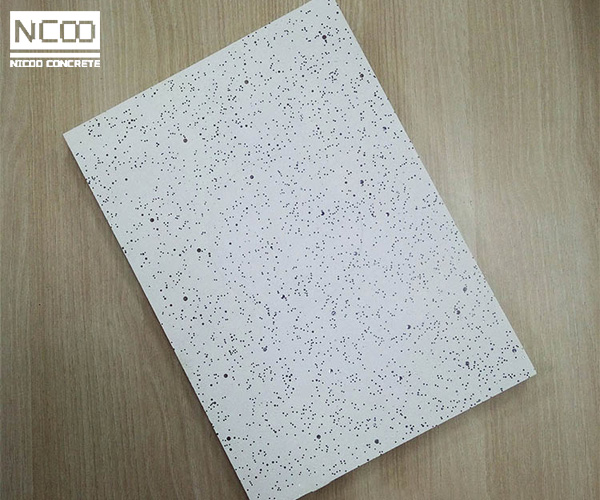
Designers must understand the difference between terrazzo and terrazzo tiles
Terrazzo is divided into three types : 1. Cast-in-place terrazzo 2. Terrazzo prefabricated board 3. Terrazzo tiles
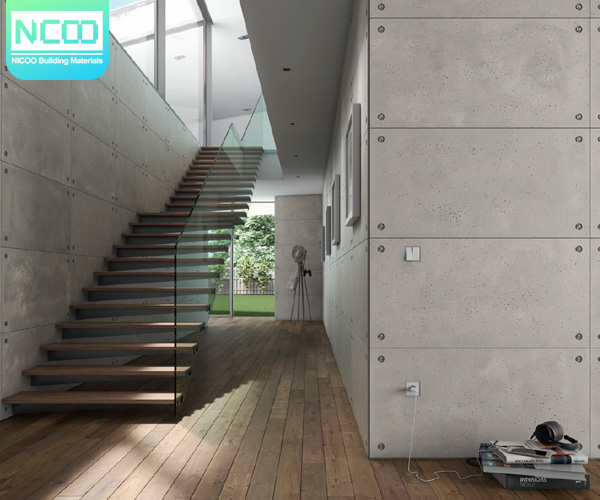
Contrast of NICOO Fair-faced Concrete and Ordinary Concrete
As a common building material, concrete has a wide range of applications. In building structures, common concrete types include fair-faced concrete and ordinary concrete. This paper will compare these two types of concrete, explore their differences and application scenarios.