


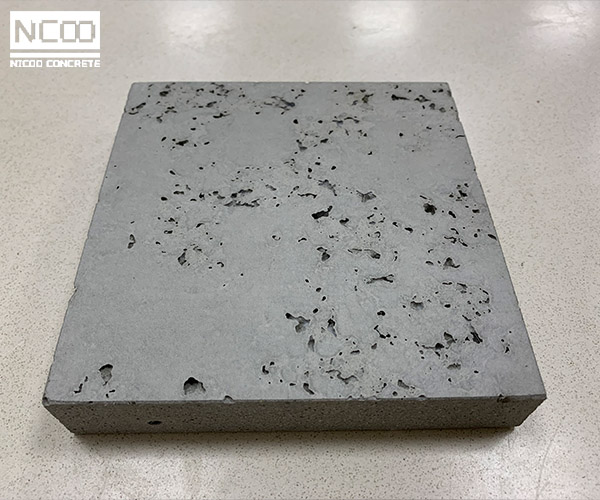
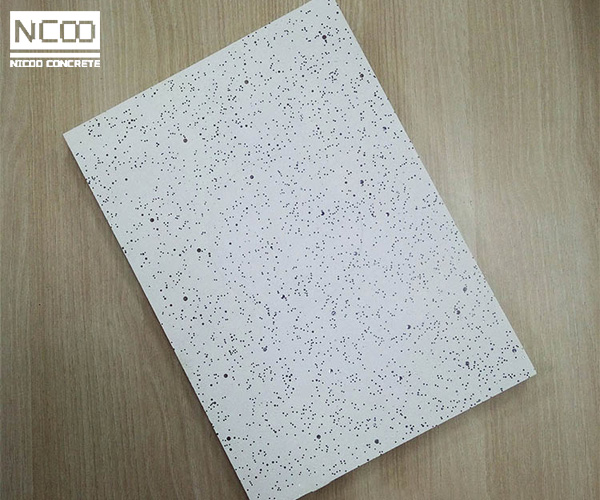

Why choose inorganic travertine?
Why choose inorganic travertine?
1.A1 grade fireproof material, high temperature resistance without deformation.
2. The shape is square, the density is uniform, the length and size of the block can be customized, and the output rate is high.
3. Stable color, strong weather resistance, UV resistance, no mildew, no discoloration.
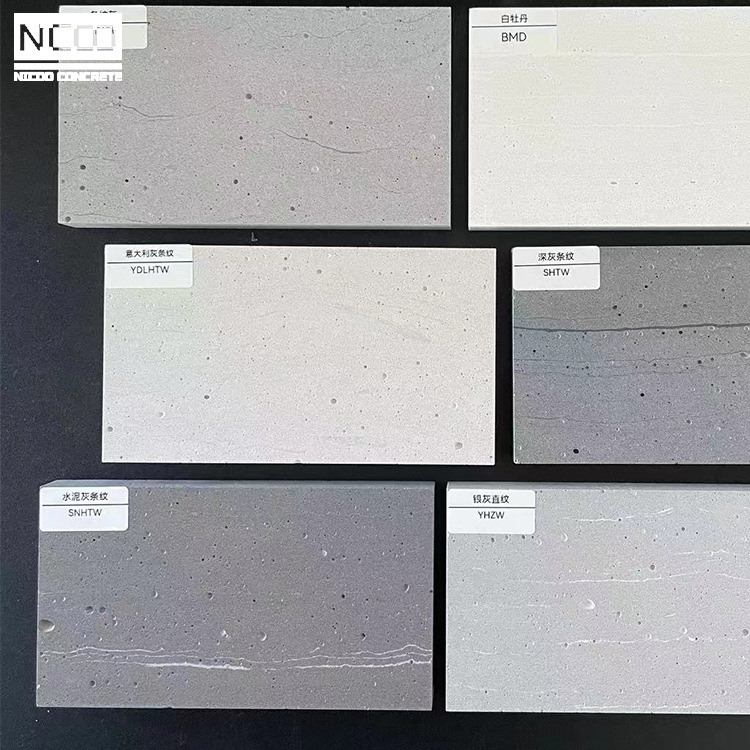
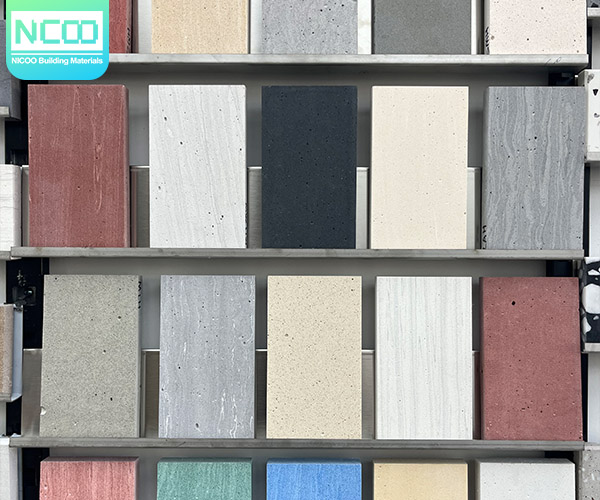
4. The color can be customized according to demand, which makes up for the uncontrollable lack of natural stone color, and the color, texture and hole size of the inorganic stone surface are carefully developed and designed according to the market trend. Not only the rich texture and tone of natural stone, but also avoid the uncontrollable color and texture of natural stone.
5. The product has clear texture, dense interphase, warm texture, concave and convex. It can find traces of prehistoric civilization in the pattern trend and stone texture, and highlight modern fashion in the overall modeling effect, highlighting the master style, and achieving the effect of "from nature and beyond nature". The product characteristics of "honor, elegance, simplicity, fashion" are incisively and vividly displayed, which is suitable for indoor and outdoor decoration. Favored by the majority of elites, it is the first choice of many well-known designers.
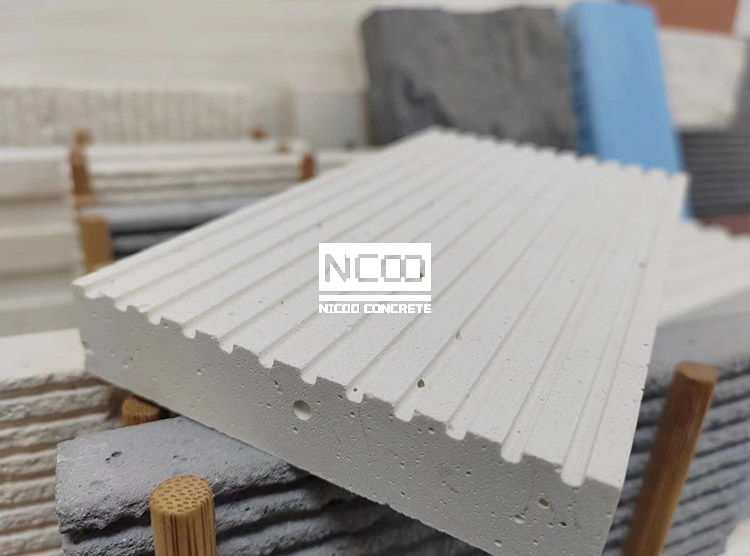
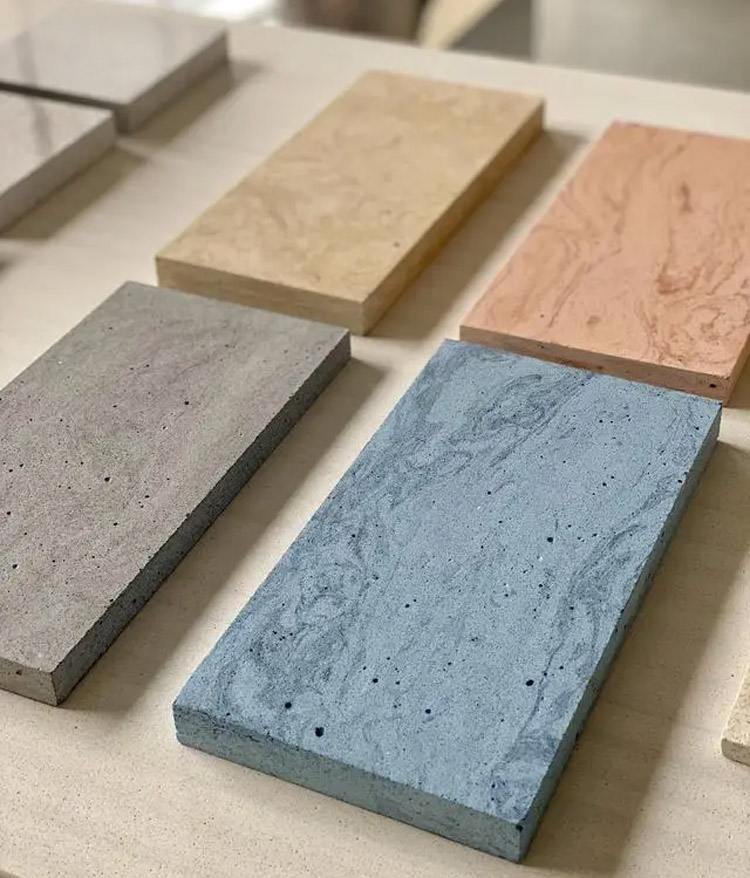
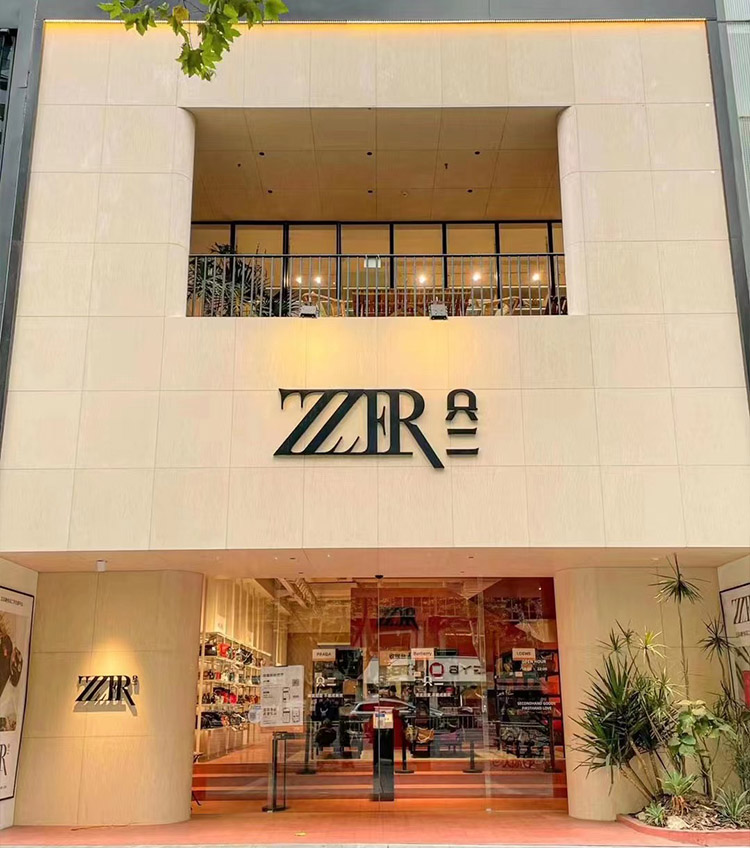
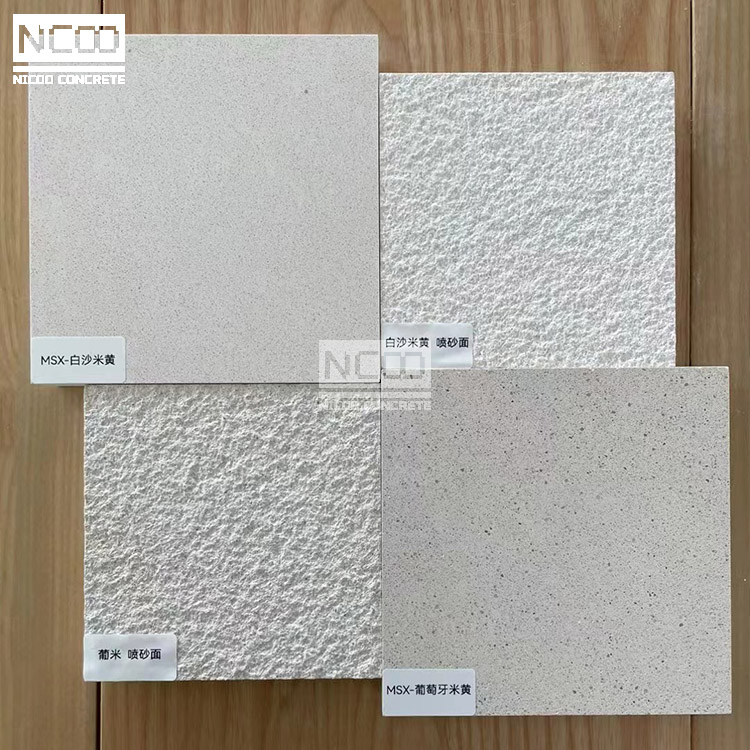
Why choose inorganic travertine?
New building material prefabricated inorganic traverteite plate.NICOO can provide free samples, so that customers more intuitive to see the quality of traverite plate.
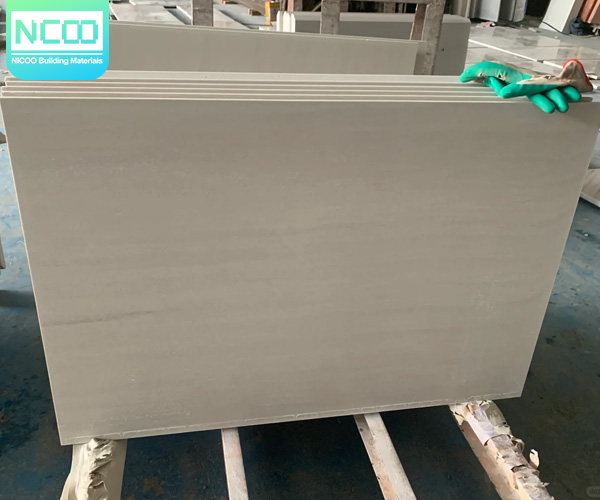
Italian Yellow Artificial Cement Stone Finished Product Decoration Project For Commercial Building
As an innovative stone, artificial cement stone boldly tries to have the characteristics that natural stone does not have in terms of performance and conforms to The Times of modern architecture under the premise of maintaining the original house sense of frost soil texture.
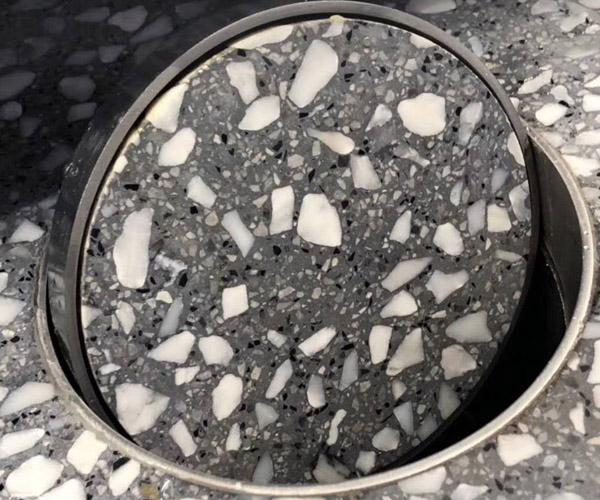
Wide Application of Inorganic Terrazzo
The beauty of inorganic terrazzo floor is not only reflected in the ground.
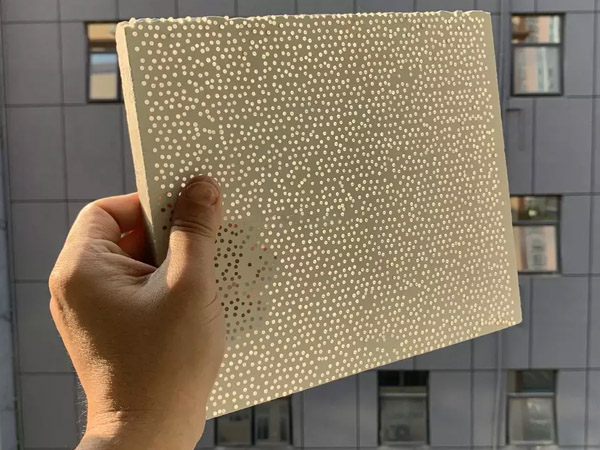
Introduction and Application of Light Transmitting Concrete
Light transmitting concrete or transparent concrete or translucent concrete is a concrete (made of rich raw materials, low cost and simple production)based material with light-trans missive properties, obtained by embedding optical fibres in it. Light is conducted through the fibre from one end to the other.